December 17, 2025
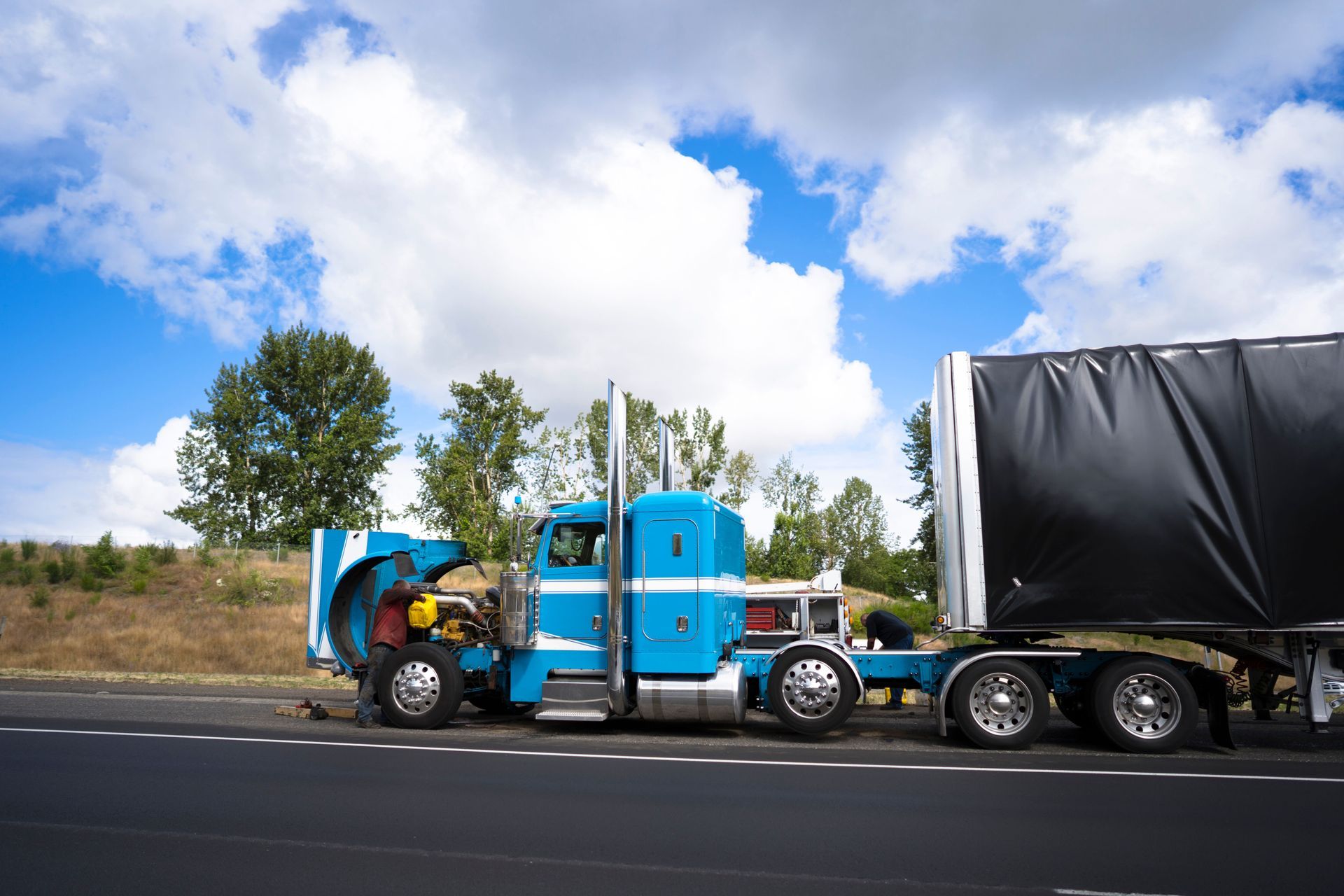
The operation of tractor-trailers involves high-stakes logistics and transportation tasks. Regular maintenance plays a critical role in ensuring these vehicles perform optimally over long periods. The benefits of consistent maintenance include heightened safety for both drivers and other road users, extended vehicle life, which can save money in the long term, and improved daily performance, which keeps operations smooth and reliable. Maintenance isn't just about replacing worn parts; it's about preventing potential failures that could lead to costly breakdowns or accidents. Proactive maintenance leads to fewer unexpected failures, ensuring that tractor-trailers remain operational without downtime. It also assures adherence to standard road safety regulations, which are put in place to maintain the integrity of the transport sector. Considering these crucial benefits, it's evident that rigorous maintenance practices need to become a routine part of managing a fleet of tractor-trailers. This article will serve as a guide to understanding various aspects of tractor-trailer maintenance. By following these guidelines, operators can ensure their fleets remain dependable and fully prepared for demanding workloads, especially when supported by reliable local mobile truck repairs.
Conduct Regular Vehicle Inspections
Regular inspections can significantly enhance vehicle safety assurance by identifying mechanical issues before they escalate. Conducting thorough safety checks ensures that all systems, from braking to lighting, function as expected. This preemptive approach not only protects drivers but also reduces liability concerns arising from road accidents. Moreover, inspections help in preventing costly breakdowns, which could stall logistics processes. Detecting small problems early, such as a leaky gasket or worn-out brake pads, means repairs can be minor and less costly. Hence, regular inspections are not an expense but an investment towards uninterrupted operations and savings in repair costs. Compliance with regulations is another vital factor driving the need for regular inspections. Regulatory bodies have set vehicle inspection norms to ensure road safety and environmental compliance. Adhering to these standards helps organizations avoid hefty penalties and ensures their vehicles are roadworthy and eco-friendly. Consistent inspections ultimately build a culture of safety that benefits both drivers and the public, particularly when paired with fast-response local mobile truck repairs.
Maintain Engine and Transmission Systems
Engine performance is essential for the operational efficiency of tractor-trailers. Regular oil changes are critical because they help keep the engine clean and lubricated, preventing wear and tear. The oil also aids in removing debris from moving parts, reducing friction, and preventing overheating. Filters play a significant role in engine and transmission maintenance by keeping contaminants out of the engine and providing clean fuel and air flow. Replacing filters is a simple yet effective way to maintain engine health and efficiency, while ignoring them could lead to blockages and reduced performance. Monitoring transmission systems is equally important in maintaining a vehicle's operational capability. Transmissions must operate smoothly, and any delay in shifts or slippage can signal deeper issues that need prompt attention. Regular diagnostic checks can reveal underlying issues that may require professional tune-ups. Staying proactive with engine and transmission care helps maintain long-term fuel efficiency and overall performance, ensuring fewer emergency calls for local mobile truck repairs.
Monitor and Care for Tires
Tires are critical for the safe and efficient operation of tractor-trailers. Frequent tire pressure checks help in maintaining correct inflation levels, which is vital for safe handling and fuel efficiency. Underinflation or overinflation can cause uneven wear and increase the risk of blowouts. Tread depth assessments are necessary to ensure tires have sufficient grip, especially under wet or slippery conditions. Appropriate tread depth not only increases vehicle safety but also contributes to a smoother ride and better fuel economy. Proper alignment and balancing prevent tires from wearing out unevenly and extend their lifespan. They ensure the vehicle drives straight and doesn’t pull to one side, enhancing safety and reducing wear on suspension components. Recognizing abnormal wear patterns can indicate misalignment or suspension issues needing correction. Keeping tires in optimal condition not only improves safety but also lowers operating costs through better fuel economy and reduced replacement frequency, minimizing unexpected calls for local mobile truck repairs.
Evaluate and Service Brake Components
Brakes are a fundamental safety component of any tractor-trailer, necessitating regular inspections. Inspecting brake pads for wear and tear can prevent potential brake failure, which is critical to maintaining safety standards on the road. Evaluating brake fluid levels is another critical maintenance task. Adequate fluid levels ensure the hydraulic system operates efficiently, making braking more responsive and effective. Periodic fluid changes can prevent moisture build-up in the system, averting potential braking issues. Testing brake performance should form a fundamental part of regular maintenance checks. This helps promptly identify issues such as reduced braking efficiency or unusual noises that could signal an underlying problem. Recognizing early signs of wear in brake components ensures timely replacements and repairs. Proper brake care plays a vital role in preventing emergencies that could compromise driver safety and cargo integrity, reducing reliance on emergency local mobile truck repairs.
Inspect and Protect Electrical Systems
Electrical systems power crucial vehicle components, from starters to lights. Regular battery health monitoring ensures that the electrical system remains operational, preventing starting failures and other electrical issues. Batteries should be checked for charge levels and replaced when they show signs of decline. Testing the alternator and starter is essential because these components are critical for the electrical system's functionality. An underperforming alternator may not sufficiently charge the battery, leading to potential breakdowns. Maintaining wiring and connections is crucial for reliability and safety. Faulty wiring can lead to short circuits or dimming lights, posing safety hazards. Regularly checking and replacing worn wires and connections can circumvent such issues. A well-maintained electrical system ensures that essential functions like lighting and diagnostics operate without interruption, limiting the need for urgent local mobile truck repairs.
Assess and Maintain Trailer Components
Trailer components require as much attention as the tractor in maintenance practices. Regular inspection of trailer couplings ensures the integrity of the connection between the tractor and trailer. Secure couplings prevent dangerous situations that could lead to detachment during transit. Monitoring trailer suspension systems is essential to ensure smooth rides and efficient cargo transport. A malfunctioning suspension system can cause uneven cargo shifts, affecting the trailer's stability. Regular checks and timely repairs prevent excessive wear and ensure suspension efficiency. According to Trans Force, a semi truck should have basic service every 15,000 miles, on average, which includes ensuring proper cargo securement. This helps prevent accidents caused by shifting cargo. Checking trailer floors and frames for damage and wear, and ensuring they are robust enough to handle loads, is vital for safety and compliance. Thorough trailer maintenance ensures that cargo is transported securely and the entire rig maintains consistent performance, reducing breakdowns that require local mobile truck repairs.
The comprehensive application of these maintenance practices is essential in keeping tractor-trailers road-ready. Rigorous attention to inspection routines, engine and transmission care, tire maintenance, brake system evaluations, and electrical systems ensures these vehicles operate safely and efficiently. By adopting a proactive approach to maintenance, fleet operators can enjoy reduced downtime and increased reliability. Ultimately, maintaining tractor-trailers is about more than compliance; it's about ensuring safety, optimizing performance, and maximizing the economic life of each asset. Consistent maintenance practices are the foundation that enables transport and logistics companies to deliver on their commitments reliably. With the right maintenance partner, fleet managers can keep every truck in peak condition and confidently support their operational demands. When unexpected issues arise, turning to trusted local mobile truck repairs provides fast solutions to keep operations moving without delay. Reach out to CML Truck and Trailer Repairs to learn more about our services today.