April 8, 2026
The trucking industry plays a critical role in keeping supply chains moving, delivering goods across cities, states, and the entire country. Because of this, safety and compliance are always top priorities for fleet operators and drivers. Even minor mechanical issues can quickly turn into serious risks if not addressed in time. This is where local mobile truck repairs become an essential part of modern fleet management.
Instead of requiring trucks to visit a repair shop, mobile services bring skilled technicians directly to the vehicle. This approach saves time, reduces disruptions, and ensures that trucks remain in safe operating condition. By using local mobile truck repairs, companies can maintain efficiency while staying aligned with strict industry regulations. These services help prevent breakdowns, support driver safety, and keep operations running smoothly.
As the logistics industry continues to evolve, businesses are looking for faster and more reliable maintenance solutions. Mobile repair services meet this demand by offering immediate support wherever it is needed. This convenience not only improves turnaround times but also helps companies stay proactive rather than reactive when it comes to truck maintenance and compliance.
1. Improved Accessibility and Convenience
A. Reduced Downtime
One of the biggest advantages of local mobile truck repairs is the ability to minimize downtime. When a truck breaks down or needs maintenance, waiting for a tow or scheduling shop service can delay operations significantly. Mobile technicians arrive on-site and resolve issues quickly, allowing drivers to get back on the road faster.
B. Flexible Scheduling
Trucking schedules are often unpredictable, which makes flexibility important. Mobile repair services can work around delivery timelines, rest periods, or overnight stops. This allows repairs to happen without interrupting productivity.
C. Immediate Assistance
Quick response times help prevent small issues from becoming major problems. When problems are addressed early, trucks are less likely to experience dangerous failures on the road. According to the DOT, overloaded truck limits are typically around 80,000 pounds for a standard tractor-trailer. Keeping vehicles in proper working condition is critical when handling that level of weight.
D. Less Driver Stress
Knowing help is available quickly can reduce stress for drivers. Instead of worrying about finding a repair shop, they can rely on local mobile truck repairs to handle issues efficiently.
E. Better Route Planning
With maintenance handled on-site, logistics teams can plan routes more effectively. This leads to improved delivery timelines and fewer unexpected disruptions.
2. Preventive Maintenance and Inspections
A. Routine Check-Ups
Regular inspections are key to preventing breakdowns. Local mobile truck repairs make it easier to perform routine maintenance without taking trucks out of service for long periods.
B. Staying Compliant
Compliance with safety regulations is essential in the trucking industry. Mobile technicians help ensure that vehicles meet required standards, reducing the risk of violations or fines.
C. Expert Evaluations
Skilled technicians can identify hidden issues that might otherwise go unnoticed. Their expertise helps prevent mechanical failures and improves overall safety.
D. Customized Maintenance Plans
Every truck operates under different conditions. Mobile repair providers can tailor maintenance plans based on usage, mileage, and load demands. This level of customization ensures that each vehicle receives the exact care it needs to remain safe and efficient on the road.
E. Organized Documentation
Accurate service records are important for audits and inspections. Many local mobile truck repairs include digital tracking, making it easier to maintain proper documentation. Having clear records also helps fleet managers identify patterns and improve long-term maintenance strategies.
3. Cost Savings and Efficiency
A. Preventing Major Repairs
Addressing small issues early helps avoid costly repairs later. This proactive approach saves money and keeps trucks operating efficiently.
B. Improved Fuel Efficiency
Well-maintained trucks perform better and use less fuel. Mobile technicians can quickly fix issues that impact fuel consumption, helping reduce overall expenses.
C. Longer Equipment Lifespan
Regular maintenance extends the life of key components such as engines, brakes, and tires. This reduces the need for frequent replacements and improves overall fleet reliability.
D. Avoiding Penalties
Non-compliance can lead to fines and delays. Local mobile truck repairs help ensure vehicles meet safety standards, lowering the risk of penalties.
E. Strong Return on Investment
Although mobile services may seem like an added cost, they often result in long-term savings by reducing downtime and preventing major issues. Companies that invest in consistent maintenance typically experience fewer unexpected expenses.
4. Fewer Breakdowns and Accidents
A. Early Problem Detection
Routine inspections allow technicians to catch issues before they escalate. This reduces the likelihood of unexpected breakdowns.
B. Safer Roads
Properly maintained trucks are less likely to experience mechanical failures. This improves safety for drivers and others on the road.
C. Increased Driver Confidence
Drivers are more confident when they know their vehicles are reliable. This can lead to better focus and safer driving habits.
D. Quick Emergency Response
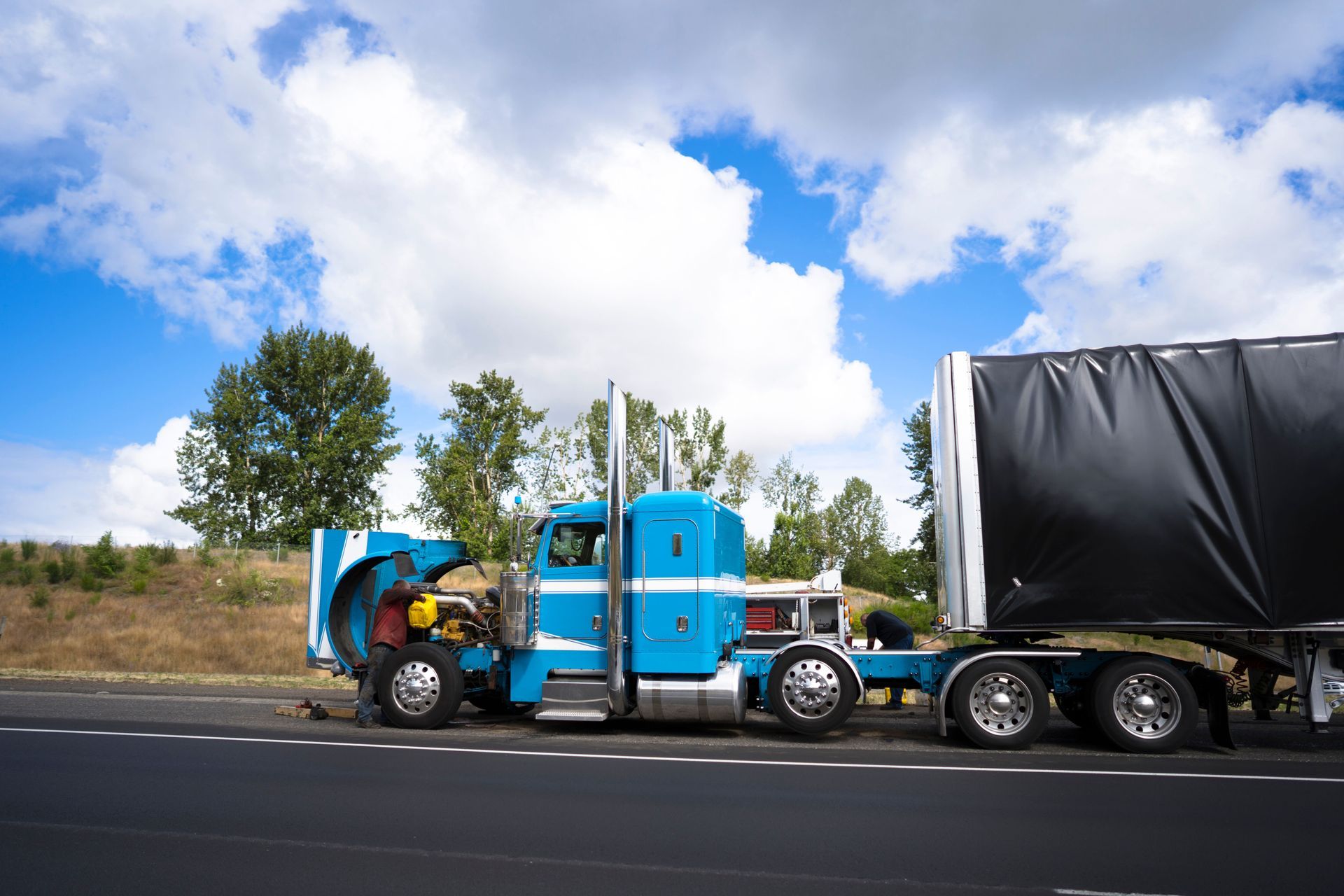
When breakdowns happen, mobile repair services can respond quickly. This reduces the risks associated with roadside stops and helps drivers return to their routes faster.
E. Risk Reduction
Consistent maintenance helps minimize operational risks. Local mobile truck repairs play a key role in keeping fleets safe and dependable, especially when vehicles are traveling long distances under demanding conditions.
5. Technology in Mobile Repairs
A. Advanced Diagnostics
Modern tools allow technicians to identify problems quickly and accurately. This improves repair quality and reduces downtime.
B. Real-Time Communication
Drivers, fleet managers, and technicians can stay connected through real-time updates. This speeds up decision-making and repairs.
C. Telematics Integration
Data from trucks can be used to predict maintenance needs. This helps prevent unexpected issues and improves planning.
D. Remote Monitoring
Continuous monitoring allows technicians to detect problems early. This adds another layer of protection for fleet operations and ensures that trucks remain in optimal condition.
E. Adapting to New Tools
As technology evolves, local mobile truck repairs continue to improve. New tools and methods help deliver faster and more reliable service, keeping fleets aligned with modern industry standards.
6. Stronger Relationships and Local Impact
A. Personalized Service
Mobile repair providers often offer more personalized service than large repair shops. This helps build long-term relationships with clients.
B. Supporting Local Businesses
Choosing local mobile truck repairs supports nearby businesses and contributes to the local economy. This creates a stronger network of service providers within the community.
C. Building a Strong Reputation
Reliable maintenance helps companies maintain a positive reputation. Safe and compliant operations attract more business opportunities and strengthen customer trust.
D. Industry Connections
Mobile repair services often collaborate with other local providers. This creates valuable networking opportunities and helps businesses stay connected within the industry.
E. Encouraging Consistency
Regular maintenance becomes part of daily operations when mobile services are easy to access. This leads to better long-term results and improved overall fleet performance.
Local mobile truck repairs provide a practical solution for improving safety, efficiency, and compliance in the trucking industry. By bringing services directly to the vehicle, they reduce downtime and keep operations running smoothly. From preventive maintenance to emergency repairs, these services support every aspect of fleet management.
As regulations become stricter and demand continues to grow, investing in local mobile truck repairs helps companies stay competitive. With better maintenance practices, improved safety, and reduced costs, mobile repair services play a key role in building reliable and compliant trucking operations. Businesses that prioritize consistent upkeep are better positioned to avoid disruptions and maintain strong performance over time. For more information, contact CML Truck and Trailer Repair today.