March 31, 2026
When a truck breaks down, choosing between towing and mobile truck repair directly affects your schedule, costs, and operational efficiency. Even short delays can disrupt delivery timelines and impact customer commitments, making fast decision-making critical. Mobile truck repair offers a more efficient alternative by resolving issues on-site, eliminating the need for towing, reducing downtime, and keeping operations moving without unnecessary delays.
Recognizing the Growing Demand for On-Site Solutions
The demand for mobile truck repair continues to rise as logistics operations prioritize responsiveness and efficiency. Businesses no longer accept long service delays as unavoidable. Instead, they expect immediate solutions that align with tight schedules and real-time delivery expectations. This shift reflects a broader industry focus on minimizing downtime and maximizing asset utilization.
With millions of commercial vehicles on U.S. roads, breakdowns are inevitable. Even minor issues can disrupt freight movement and cause delays across the supply chain. Mobile truck repair helps minimize this impact by reducing downtime and providing on-site service that keeps operations moving. This rapid-response model supports modern logistics, where speed is critical. According to TruckInfo.net, there are over 13 million registered trucks in the United States, including about 2.9 million semi-trucks—highlighting the ongoing demand for fast, reliable repair solutions.
Additionally, fleet managers are under increasing pressure to optimize performance without expanding resources. On-site repair services support this goal by reducing the need for additional backup vehicles or contingency planning. The ability to resolve issues quickly, without rerouting or rescheduling, contributes to more stable and predictable operations.
Comparing Time and Cost Between Repair and Towing
Time is one of the most significant differentiators when comparing mobile truck repair to traditional towing. Towing involves multiple stages: dispatching a tow truck, transporting the vehicle, and waiting for shop availability. Each step introduces delays that can extend downtime significantly. In contrast, mobile repair eliminates these steps by initiating service immediately at the breakdown location.
Cost considerations reinforce this advantage. Towing fees for heavy-duty vehicles can be substantial, particularly over long distances. Additional expenses may include storage fees, diagnostic charges, and lost revenue from missed deliveries. Mobile truck repair reduces or eliminates many of these costs by resolving issues on-site whenever possible.
There is also an indirect financial benefit tied to operational continuity. Faster repairs mean fewer schedule disruptions and improved customer satisfaction. Over time, this consistency contributes to stronger client relationships and a more reliable service reputation. While not every issue can be handled roadside, the ability to avoid towing in many scenarios creates measurable savings.
Identifying When Mobile Truck Repair Is the Right Choice
Choosing mobile truck repair depends largely on the nature and severity of the problem. Situations involving manageable mechanical or electrical issues are typically well-suited for on-site service. If the repair can be completed using standard tools and commonly available parts, mobile technicians can often resolve it efficiently without requiring a shop environment.
Urgency is another critical factor. Time-sensitive deliveries leave little room for extended delays. In these cases, waiting for a tow can create unnecessary setbacks. Mobile truck repair allows technicians to begin work almost immediately, helping drivers stay closer to their planned routes and schedules.
Location also influences the decision. Breakdowns that occur in accessible areas, such as highways or distribution routes, are ideal for mobile service. When conditions allow technicians to safely reach and work on the vehicle, on-site repair becomes the most efficient option. Evaluating these factors quickly can help determine the best course of action and minimize disruption.
Resolving Common Roadside Issues Efficiently
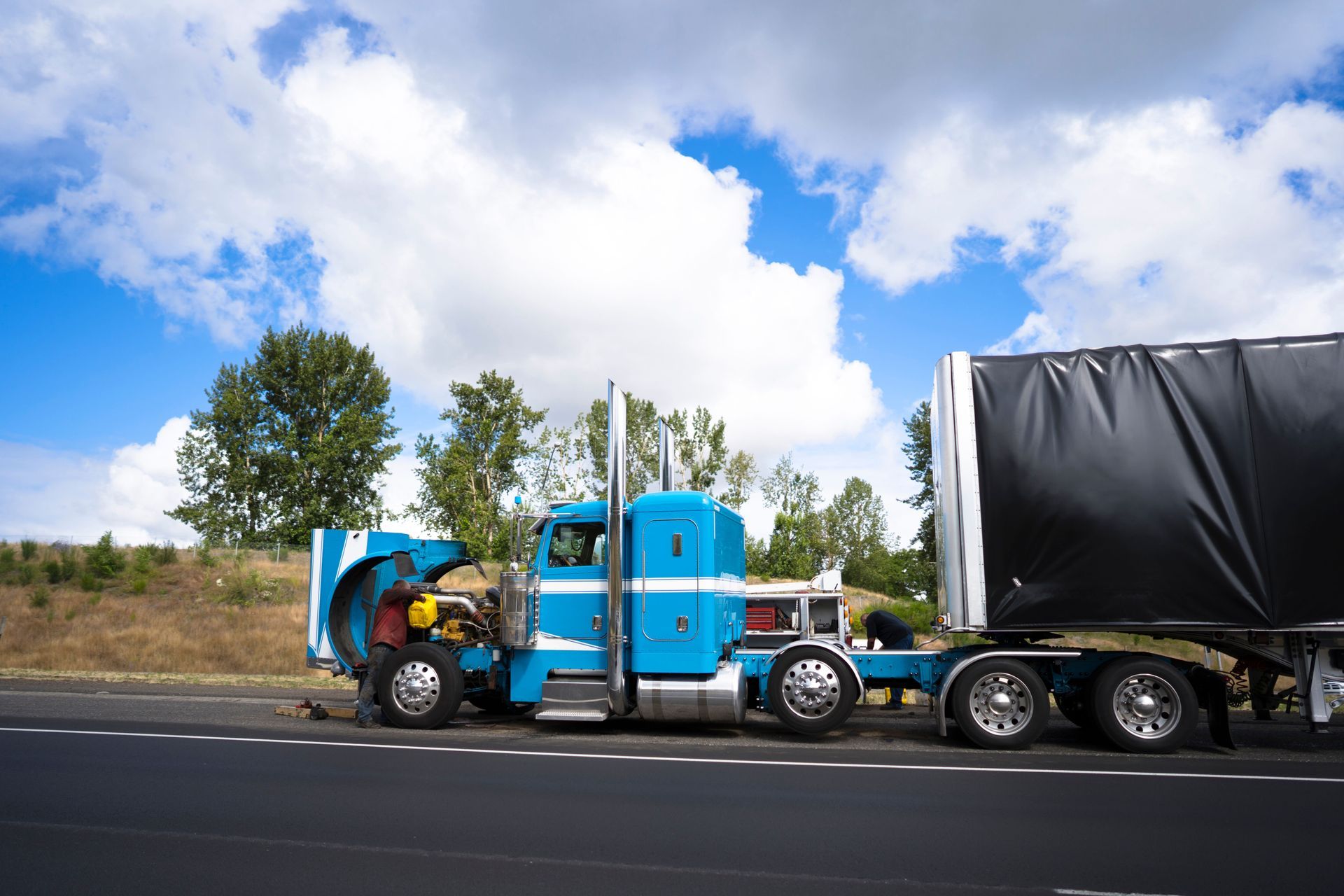
Mobile truck repair is particularly effective for addressing common roadside problems that do not require extensive disassembly or specialized equipment. These include tire failures, battery issues, air brake malfunctions, and minor electrical faults. In many cases, these problems can be diagnosed and repaired within a short timeframe, allowing drivers to resume operations quickly.
Handling these issues on-site simplifies the entire recovery process. There is no need to coordinate multiple service providers or manage logistics between towing and repair facilities. Instead, the focus remains on restoring functionality as efficiently as possible. This streamlined approach reduces stress for drivers and improves overall response time.
Another advantage is the adaptability of mobile technicians. Many are equipped to handle a wide range of repairs, allowing them to address multiple issues during a single service call. This flexibility reduces the likelihood of repeat breakdowns and ensures that vehicles are returned to service in a more reliable condition.
Minimizing Downtime and Operational Disruptions
Downtime directly impacts productivity, revenue, and customer satisfaction. Every hour a truck is out of service represents lost opportunity and potential delays across the supply chain. Mobile truck repair plays a critical role in minimizing these disruptions by shortening the gap between breakdown and resolution.
For fleet operators, the cumulative effect of reduced downtime is significant. Faster recovery times lead to improved route consistency and fewer missed deadlines. This reliability enhances operational efficiency and supports better long-term planning. It also reduces the need for reactive adjustments, allowing businesses to operate more proactively.
Drivers benefit as well. Shorter delays mean less time spent waiting on the roadside and a quicker return to normal operations. This not only improves productivity but also contributes to safer working conditions by reducing exposure to high-risk environments such as busy highways or remote areas.
Managing Costs Without Sacrificing Service Quality
Cost management remains a priority for any transportation operation. Mobile truck repair offers a practical way to control expenses without compromising service quality. By avoiding towing fees and reducing downtime, businesses can allocate resources more effectively and maintain better financial stability.
Transparency is another advantage of on-site service. Technicians typically diagnose and repair issues in real time, providing clear insight into the work being performed. This reduces the likelihood of unexpected charges and allows for more accurate budgeting. Over time, this level of clarity supports better decision-making and cost forecasting.
It is also important to consider the long-term impact of consistent, efficient repairs. Vehicles that are maintained and repaired promptly are less likely to experience recurring issues. Mobile truck repair supports this by addressing problems early, preventing them from escalating into more costly failures that require extensive shop work.
Understanding Limitations and Making the Right Call
While mobile truck repair offers clear advantages, it is not suitable for every situation. Major mechanical failures, engine rebuilds, and structural damage typically require a controlled shop environment with specialized equipment. Attempting to resolve these issues roadside can lead to delays and incomplete repairs.
External factors can also limit the feasibility of on-site service. Severe weather, difficult terrain, or restricted access may prevent technicians from safely performing repairs. In these cases, towing remains the more practical and secure option. Recognizing these limitations is essential for making informed decisions.
The most effective approach is to evaluate each breakdown individually. Consider the severity of the issue, the location, the urgency of the delivery, and the available resources. Mobile truck repair is ideal for many common scenarios, but towing still plays an important role when conditions require it. Balancing these options ensures that each situation is handled efficiently and safely.
Mobile truck repair has become an essential solution for addressing roadside issues quickly and effectively. By reducing downtime, controlling costs, and simplifying the recovery process, it supports more efficient and reliable operations across the transportation industry. Understanding when to choose it over towing allows drivers and fleet managers to make smarter decisions in critical moments. For fast, dependable service that keeps your operations moving, contact CML Truck and Trailer Repair today.