October 21, 2026
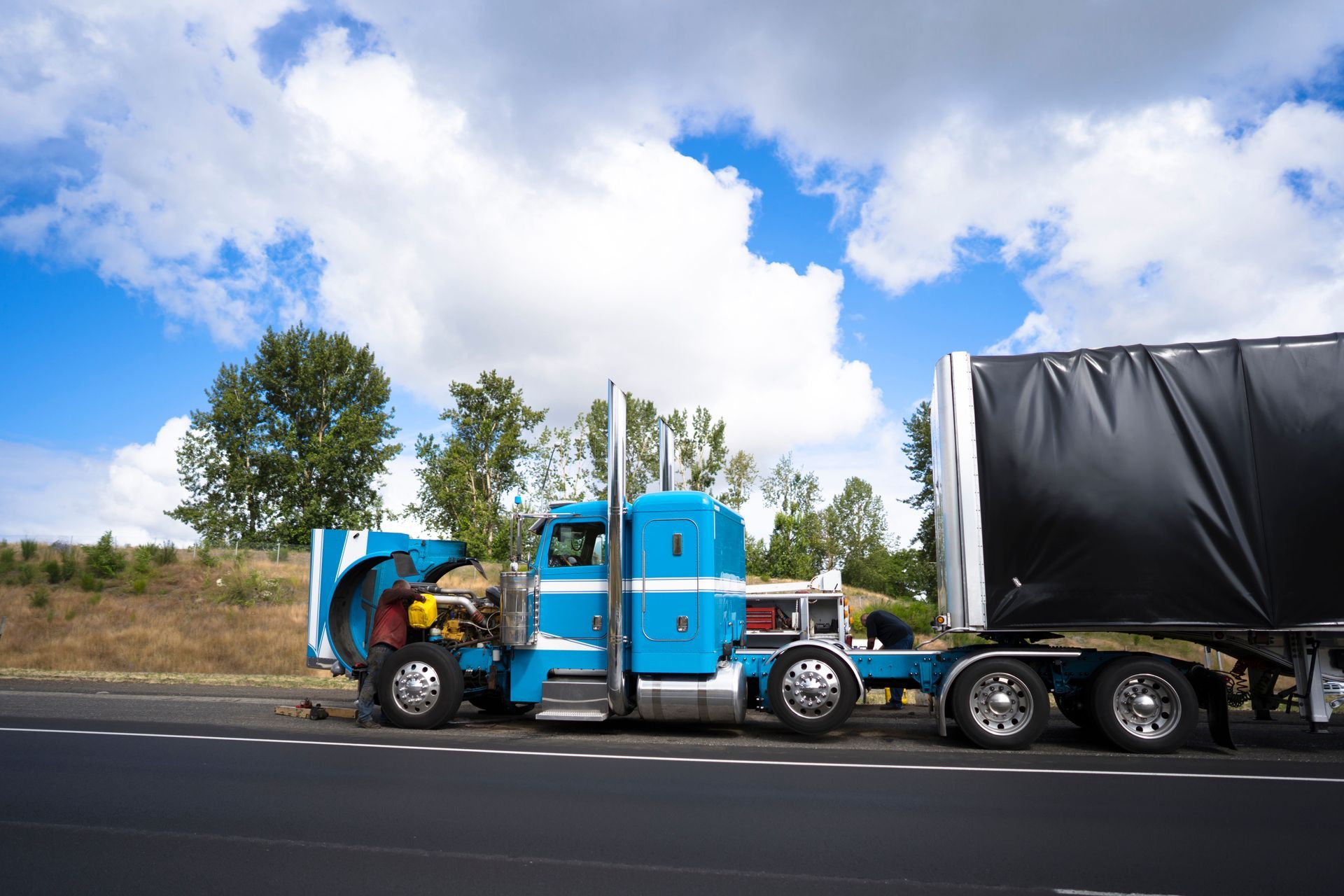
When a trailer develops a mechanical problem, getting it to a repair shop can create another challenge. A disabled unit may be stranded at a loading dock, job site, roadside location, or fleet yard, and transporting it can require additional time and coordination. Local mobile trailer repair brings qualified technicians to the trailer's location, offering a convenient alternative when the necessary work can be completed on-site. This approach helps owners address maintenance needs without automatically arranging transportation to a fixed facility.
Mobile service is useful for unexpected breakdowns as well as planned maintenance. Technicians can evaluate the trailer where it is parked, identify the reported concern, and determine the appropriate next steps. Although some repairs require specialized shop equipment, on-site service can simplify many situations and help businesses manage interruptions more efficiently. For companies that depend on trailers every day, having access to a mobile service provider can make repair planning more flexible.
Responding Quickly to Unexpected Breakdowns
Unexpected trailer trouble can affect delivery windows, driver schedules, cargo handling, and customer commitments. Problems involving tires, brakes, lights, suspension components, or other essential systems may make continued travel unsafe or impractical. Calling a mobile repair provider allows a technician to assess the situation at the trailer's current location and explain the available repair options. Addressing the issue promptly can help owners understand whether the trailer can be serviced in the field or needs transportation to a repair facility.
Response times depend on location, technician availability, parts, and repair complexity, so immediate completion cannot be guaranteed. However, local mobile trailer repair can eliminate the need to arrange separate transportation to a shop when the required work is suitable for field service. For businesses that depend on reliable equipment, having access to mobile assistance can be an important part of a breakdown response plan. Sharing clear details about the location, trailer type, and symptoms can also help the service provider prepare for the visit.
Maintaining Equipment Without Shop Transfers
Taking a trailer out of service can affect more than the equipment itself. Fleet managers may need to adjust assignments, move loads, arrange substitute trailers, or revise schedules while repairs are underway. Mobile service can simplify this process by allowing certain inspections and repairs to take place at a company yard, warehouse, or another accessible location. This can be particularly helpful when several trailers are waiting for maintenance and moving each unit to a separate facility would complicate daily operations.
On-site work also allows technicians to evaluate equipment in the environment where it is typically stored or used. They can discuss recurring concerns with fleet personnel and consider how operating conditions may affect maintenance needs. Not every repair can be completed in the field, but local mobile trailer repair can reduce logistical steps for suitable jobs and help businesses coordinate essential work. By reducing unnecessary transfers, companies may also avoid some of the scheduling challenges associated with arranging towing or relocating equipment.
Addressing Common Trailer System Problems
Trailers rely on several connected systems to operate safely and reliably. Tires and wheels must remain in suitable condition, brakes must function correctly, and lighting and electrical connections must support safe operation. Suspension components, doors, landing gear, and other hardware can also experience wear or damage through regular use. A qualified technician can inspect the relevant components and recommend appropriate service based on the symptoms and the trailer's condition.
Accurate diagnosis matters because similar symptoms can have different causes. A lighting problem, for example, may involve a lamp, wiring, connector, or another electrical component. Uneven tire wear may indicate that additional inspection is needed beyond replacing the tire. Professional assessment helps determine the necessary work and whether further evaluation is warranted. Trailers with suspected safety-related defects should not continue operating until the concern has been appropriately assessed and addressed.
Supporting Preventive Maintenance Planning
Preventive maintenance helps owners identify wear before it causes a more disruptive failure. Regular inspections allow fleet managers to monitor components, review recurring concerns, and schedule service according to usage and manufacturer recommendations. Mobile technicians may be able to perform selected maintenance tasks where trailers are parked, reducing the coordination required to move equipment between locations. This can make routine servicing easier to organize for businesses with multiple units or limited time between assignments.
Maintenance records are valuable for managing individual trailers and larger fleets. Documenting completed work, observed wear, and recommended follow-up helps managers identify patterns and prioritize repairs. If similar issues occur across several units, records may reveal a need to review inspection intervals or operating conditions. Local mobile trailer repair can complement a broader maintenance program, although it does not replace required inspections or specialized shop work when those are necessary. A consistent service schedule also gives managers a clearer overview of equipment condition and outstanding maintenance needs.
Improving Fleet Availability and Scheduling
For transportation businesses, equipment availability directly affects daily operations. A trailer that remains out of service can disrupt dispatch plans, loading schedules, and the use of tractors and drivers. Mobile repair can help managers coordinate certain jobs around existing operations, such as arranging service while trailers are parked at a yard or waiting between assignments. This flexibility may be particularly valuable when a fleet operates across multiple locations or has limited spare equipment available.
Planning is especially important for fleets managing different trailer types and service requirements. When requesting assistance, managers should provide the trailer's location, identifying details, reported symptoms, and any known safety concerns. This information helps the provider determine which equipment or parts may be required and whether on-site completion appears practical. Mobile service can support a more organized response while helping businesses limit unnecessary scheduling disruptions. It can also give fleet managers a practical way to coordinate maintenance across multiple units without treating every repair as an individual transportation project.
Evaluating the Value of Mobile Repair Services
Mobile repair offers practical advantages, but owners should consider the complete service need before deciding how to address a problem. Costs may depend on travel distance, labor, replacement parts, after-hours requirements, and the complexity of the repair. A shop visit may remain necessary when the work requires specialized equipment, extensive disassembly, or conditions that cannot be managed safely at the trailer's location. Asking about the expected service process and possible limitations can help owners plan appropriately.
Industry forecasts also reflect growing interest in mobile service options. According to SphericalInsights, the global mobile trailer repair service market is expected to grow to $2.98 billion by 2033. This projection points to anticipated growth in services that bring trailer maintenance and repairs directly to owners and operators. While market forecasts do not guarantee individual outcomes, they highlight the anticipated role of on-site service in transportation and other trailer-dependent industries. For owners, the practical question is whether mobile service can address their specific repair needs while fitting their operational requirements.
Choosing
local mobile trailer repair can simplify service coordination when on-site work is appropriate. Whether you are responding to an unexpected issue or planning maintenance for your equipment, professional assistance can help you make informed decisions about the next steps. Contact CML Truck and Trailer Repair to discuss your trailer's needs and arrange service. We can help you evaluate the problem, understand your options, and plan the work needed to return your equipment to service.