October 20, 2026
Navigating the complex logistical realities of modern transport requires constant adaptability, strategic planning, and immediate access to dependable mechanical support whenever commercial vehicles encounter unexpected roadside trouble. Understanding what to anticipate from professional assistance allows fleet managers, logistics coordinators, and independent owner-operators to streamline daily operations while managing unexpected vehicle downtime effectively across all major shipping corridors. The emergence of mobile truck repairs has transformed the logistics and transportation industry by offering a convenient alternative to traditional repair services, delivering prompt solutions straight to stranded vehicles on busy highways, rural routes, or distant distribution hubs. As commercial transport networks expand to meet growing consumer demands, having a dependable partner ready to deploy directly to any breakdown location ensures that tight delivery schedules remain intact, driver safety is prioritized, and revenue loss is kept to an absolute minimum.
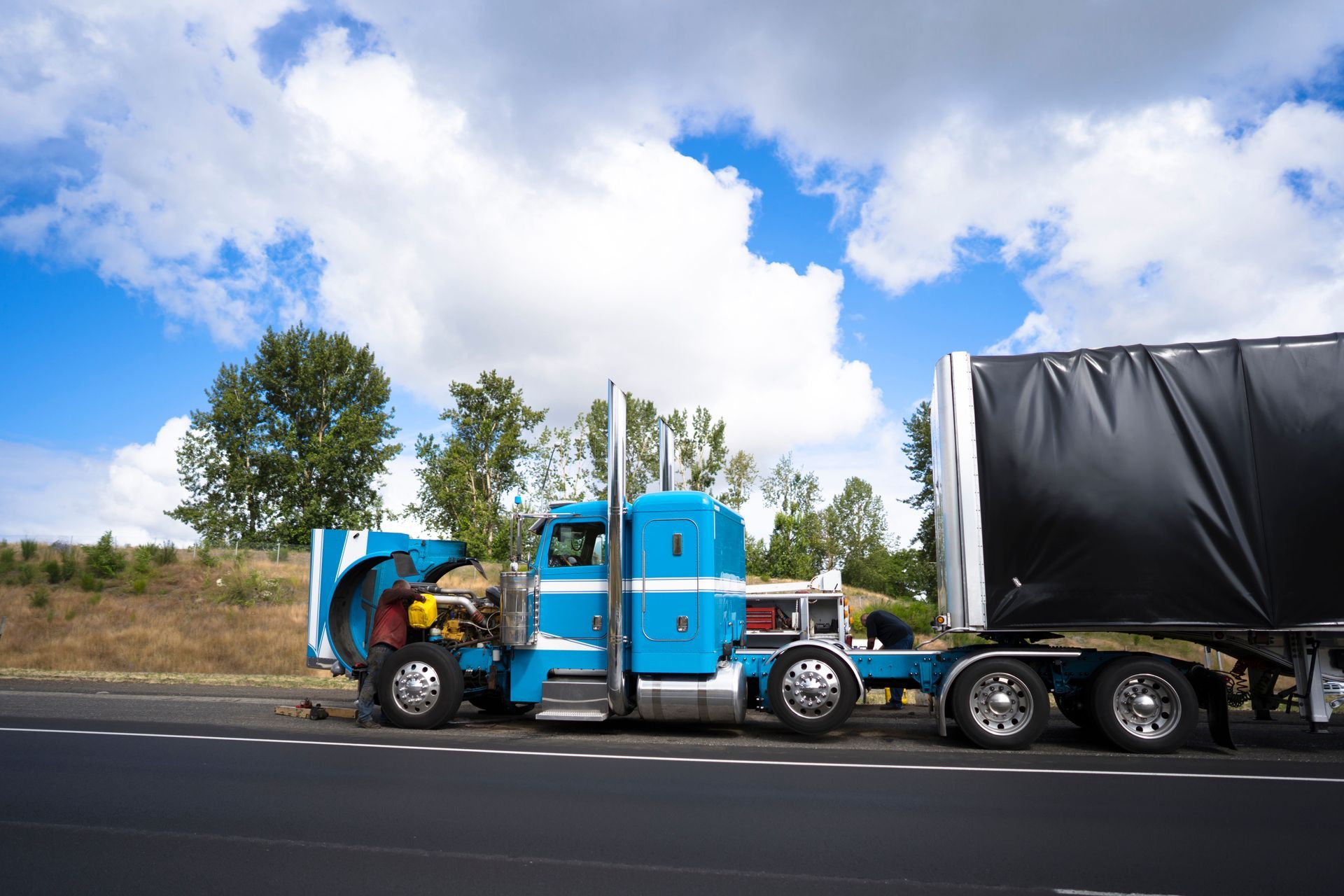
As the underlying dynamics of the transportation industry continue to evolve, understanding these versatile roadside options becomes essential for optimizing fleet management strategies and maintaining high operational efficiency. These specialized mobile operations come directly to the precise location of the disabled vehicle, addressing complex mechanical issues without requiring expensive towing arrangements or causing extensive schedule disruptions for time-sensitive cargo. They provide a broad range of solutions, extending from routine preventative measures and fluid top-offs to immediate emergency troubleshooting, ensuring commercial vehicles remain fully operational while supporting tight delivery schedules across diverse geographic regions. By bringing state-of-the-art diagnostic equipment, specialized tools, and heavy-duty replacement components straight to the breakdown site, these roving service providers bridge the gap between sudden mechanical failures and seamless operational continuity.
Assessing the Scope of On-Site Vehicle Care
Evaluating the full range of available field services helps transport companies select the proper solutions tailored precisely to their operational demands and fleet specifications. Specialized field mechanics manage a comprehensive menu of mechanical needs, including advanced computer diagnostics, brake system adjustments, battery testing and replacement, and complex electrical troubleshooting. Utilizing specialized mobile truck repairs ensures that minor mechanical failures are identified and addressed promptly before developing into severe structural issues, enabling commercial fleets to maintain consistent delivery schedules and strict highway safety standards. Furthermore, these mobile specialists arrive in fully stocked service vehicles equipped to perform complete engine diagnostics, belt replacements, and air system servicing directly along active transport corridors without requiring a visit to a brick-and-mortar garage.
Operating in unpredictable field environments requires high technical versatility, as mechanics must diagnose and resolve diverse vehicle components directly under varying weather and traffic conditions. Beyond emergency interventions, these roving workshops deliver flexible scheduled upkeep, such as fluid management, oil changes, hose replacements, and comprehensive multi-point safety checks, without forcing vehicles to sit idle in crowded service bays. The inherent versatility of on-site care maximizes operational uptime for haulers, allowing transport firms to maintain continuous delivery schedules across vast long-distance distribution networks. By integrating flexible routine servicing into regular fleet management practices, on-site mechanical care minimizes unexpected fleet disruptions, extends vehicle longevity, and helps prevent major mechanical overhauls down the road.
Streamlining Fleet Operations Through Rapid Field Support
Maximizing vehicle operational time remains one of the paramount targets for fleet managers working within today's fast-paced global supply chain environment. Bringing certified mechanics directly to a stalled commercial vehicle eliminates hours spent waiting for heavy-duty tow trucks, significantly shortening the interval between an unexpected breakdown and returning to active service on the highway. Utilizing specialized mobile truck repairs allows fleet dispatchers to manage roadside emergencies efficiently, protecting tight freight schedules and reducing overall transport delays across the supply chain. This rapid responsiveness proves particularly vital when transporting temperature-sensitive perishable goods, high-value freight, or urgent medical shipments that demand strict adherence to narrow arrival windows.
Along with significant time savings, field services deliver substantial financial advantages over traditional stationary garage visits. Transporting heavy commercial vehicles and loaded trailers to brick-and-mortar facilities introduces expensive towing fees, administrative surcharges, and extended shop wait times, adding unnecessary strain to annual operating budgets. By addressing mechanical failures directly on location, logistics companies minimize unnecessary overhead expenses, protect overall profit margins, and keep critical commercial inventory moving smoothly toward destination markets. Additionally, avoiding lengthy garage queues ensures commercial drivers spend significantly less non-productive time sitting in waiting rooms, which translates into enhanced labor productivity, reduced driver frustration, and improved retention rates across the enterprise.
Selecting Qualified Field Service Specialists
Choosing a dependable field service provider requires careful evaluation of technical credentials, response capabilities, and industry qualifications. Fleet managers should prioritize companies employing certified technicians who possess updated training on modern commercial vehicle architecture, complex diesel engines, and advanced computer diagnostic systems. Partnering with professionals who utilize mobile truck repairs guarantees high quality workmanship, ensuring complex engine, transmission, or brake issues receive thorough, precise care right on the side of the road. Maintaining high standards in technician qualifications protects fleet owners from substandard repairs that could lead to subsequent breakdowns, regulatory non-compliance, or compromised safety standards for drivers and the motoring public.
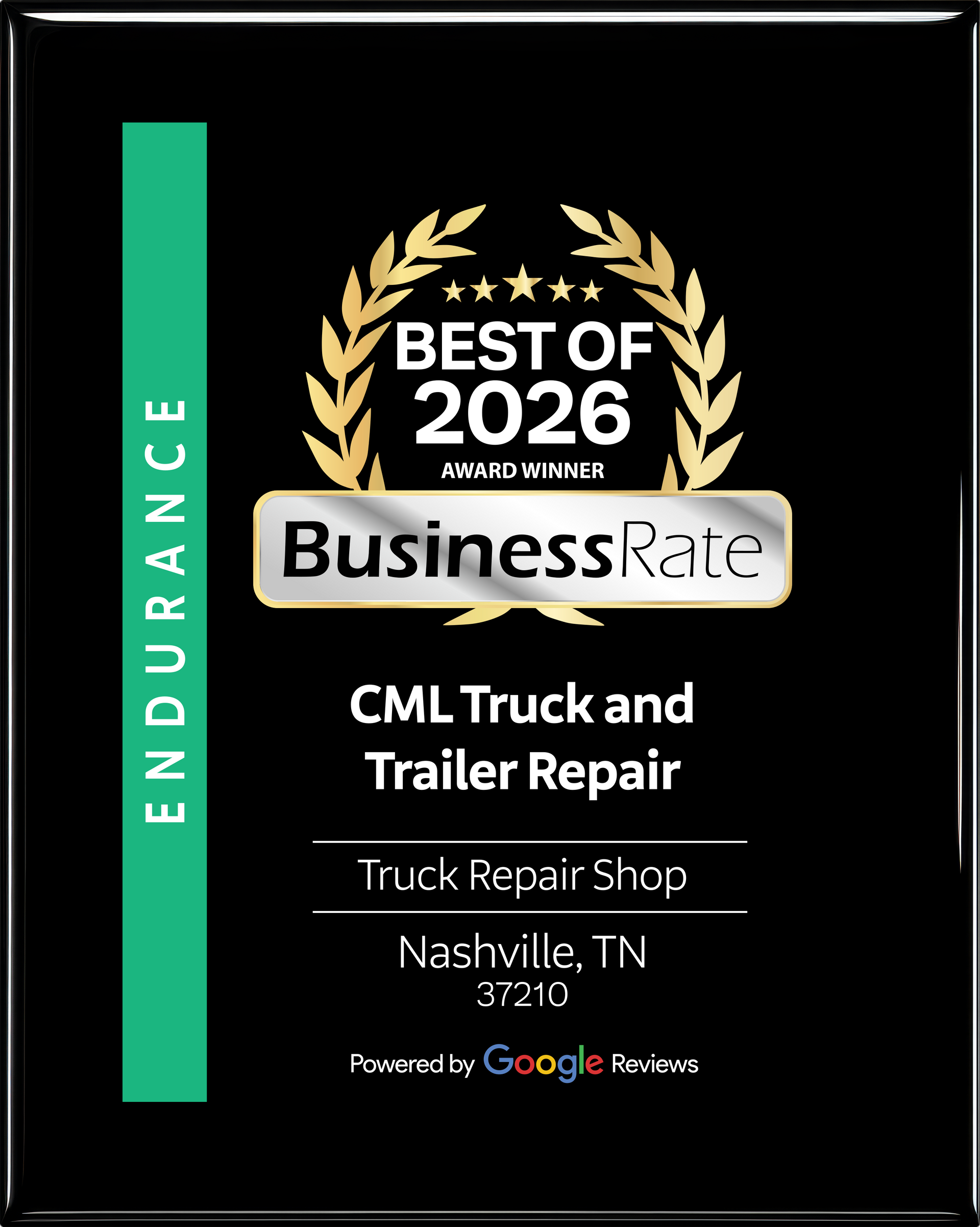
In addition to technical expertise and proper certification, evaluating verified customer feedback and established industry reputation offers critical insight into actual service quality. Reading reviews from other commercial fleet operators highlights a service provider's true reliability, arrival response times, and billing transparency during emergency situations. Establishing long-term working relationships with reputable roadside specialists allows transport organizations to manage unexpected roadside events with total confidence, securing reliable support whenever unforeseen mechanical obstacles arise during long interstate journeys. Clear service warranty policies, documented guarantees, and transparent itemized billing structures further establish a foundation of trust between fleet managers and service providers, guaranteeing fair pricing and reliable follow-up support.
Navigating Systemic Procedures During Roadside Service
Understanding the systematic sequence of actions during a typical service call ensures seamless communication between drivers, dispatchers, and attending field mechanics. Upon arriving at the breakdown site, the service technician conducts an immediate visual inspection and connects advanced computer diagnostics to isolate the underlying failure accurately. Following this thorough initial assessment, the specialist provides a detailed cost estimate outlining necessary labor, replacement components, and potential service charges, securing formal client authorization prior to beginning any physical repair work. Clear communication at this critical stage ensures that fleet managers remain completely informed regarding total anticipated expenses, repair feasibility, and estimated completion timelines before work commences.
Once client approval is granted, the mechanic performs the required component replacements or system adjustments using specialized heavy-duty tools designed specifically for field applications. After finishing the mechanical work, the specialist conducts rigorous safety checks, diagnostic re-scans, and functional testing to verify complete operational integrity before clearing the vehicle for departure. Leveraging certified mobile truck repairs through structured procedures ensures every single repair meets strict industry standards, safeguarding the vehicle, the driver, and surrounding highway traffic against recurring failures. This meticulous, step-by-step approach guarantees that every serviced commercial vehicle leaves the roadside in peak operational condition, fully prepared to resume long-distance transit securely and efficiently.
Elevating Transport Efficiency With Dedicated Fleet Support
Sustaining high productivity and profitability across modern commercial fleets requires flexible, client-focused operational strategies and highly reliable mechanical partners. Modern field service solutions provide the continuous flexibility needed to keep freight moving smoothly, protecting transport companies from costly logistical bottlenecks, missed deadlines, and severe financial penalties. Utilizing dedicated
mobile truck repairs gives fleet managers complete peace of mind, transforming unpredictable and stressful roadside emergencies into manageable, routine operational events that do not derail broader business goals. Strategic fleet maintenance models prioritize maximum vehicle availability and continuous road readiness, driving long-term business growth and ensuring sustainable competitive advantages within a dynamic freight industry.
Selecting an established, client-centered service partner ensures your commercial assets remain safe, fully compliant, and continuously active across every delivery route on your schedule. In the United States, according to IBISWorld, there are 42,299 businesses in the truck repair industry in 2026. This indicates a vast pool of service providers from which truck owners can choose. The growing trend in mobile repairs reflects a shift towards more flexible and client-centered service offerings within this competitive industry. Contact CML Truck and Trailer today to schedule expert roadside assistance and optimize your commercial fleet efficiency across every mile.