June 16, 2026
Operating commercial transport equipment requires a careful review of how unexpected mechanical breakdowns disrupt delivery timelines, driver safety, and corporate logistics. Fleet managers and independent operators understand that trailing units endure extreme pavement vibration, heavy-weight strain, and constant weather exposure. When key components fail unexpectedly on the highway, forcing a massive rig to sit idle on the shoulder creates an immediate safety hazard and risks costly cargo delays.
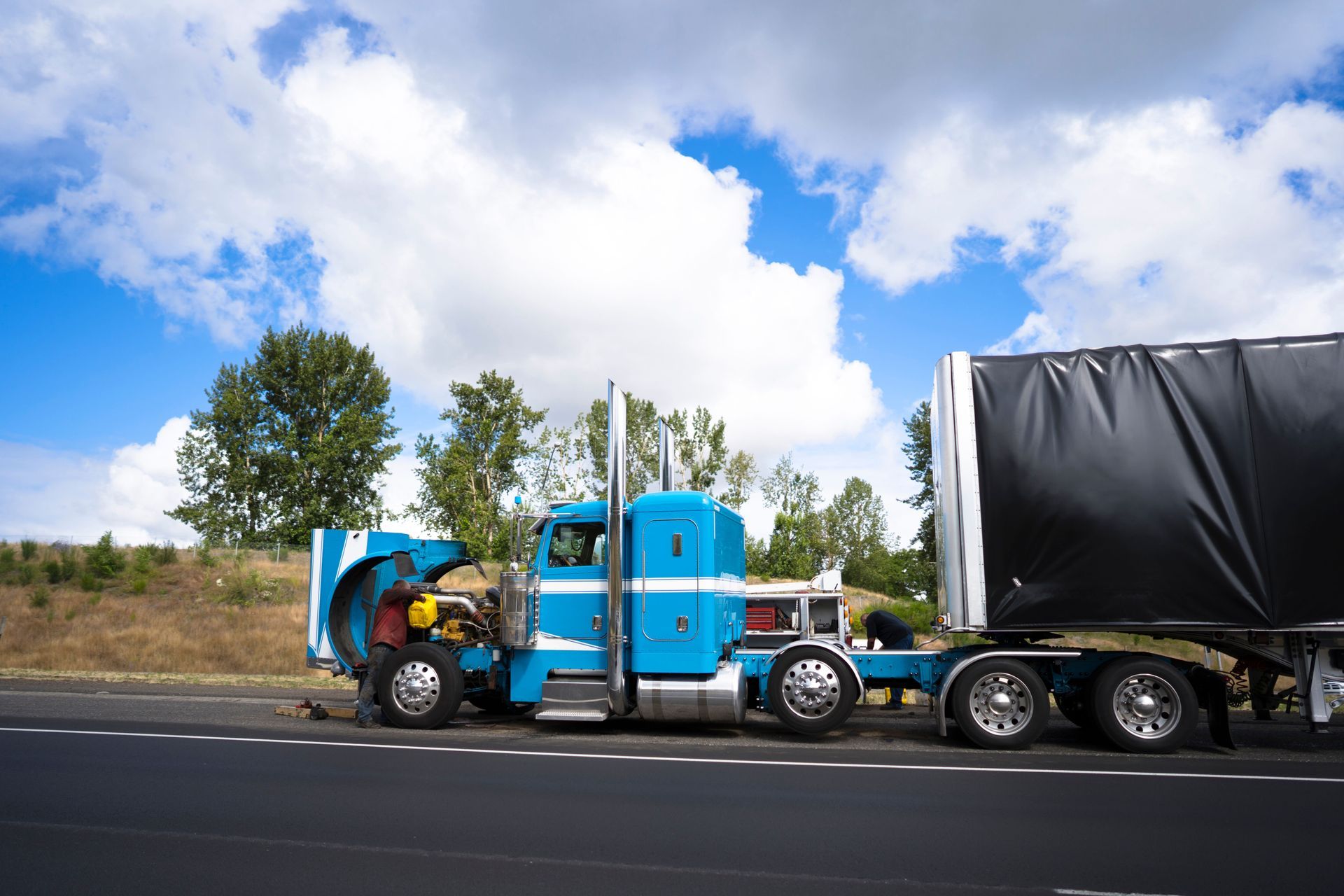
Relying on rapid on-the-road assistance is a highly practical way to address unexpected structural and mechanical breakdowns. Utilizing professional mobile trailer repairs eliminates the expensive logistical hassle of arranging heavy-duty towing services to reach a distant, stationary workshop. This guide examines the most frequent roadside trailer issues fixed by mobile service crews, helping logistics managers maintain strict route consistency and protect their transportation assets.
Diagnosing Electrical System Malfunctions
A trailer's exterior lighting network serves as its primary communication tool with other motorists, making complete illumination mandatory for highway compliance. Constant road shock can loosen connection pins, crack lens covers, and sever delicate grounding wires, resulting in flickering markers or total dark spots. Mobile repair units carry extensive replacement inventories of commercial LED markers, brake lamps, and reflective signals. Field technicians can rapidly trace wiring faults, re-pin corroded pigtail connections, and restore legal illumination parameters directly on the roadside.
Tracing Frayed Wiring Harbors
The extensive wiring harnesses running beneath a commercial chassis face continuous exposure to kicked-up road debris, winter salt grids, and moisture penetration. Over time, protective conduits can rub against sharp frame edges, scraping away vinyl insulation and causing sudden electrical short circuits. Experienced mobile mechanics utilize digital multi-meters and circuit tracers to isolate hidden breaks within the main harness. Splicing in heavy-duty, heat-shrunk wire connections seals out atmospheric moisture, protecting your central automated systems from ongoing electrical failures.
Servicing Faulty Auxiliary Power Generators
For specialized trailing units that rely on continuous onboard electrical generation, a sudden motor failure stalls critical transport operations. Remote technicians possess the tools needed to perform emergency fuel system bleeds, filter swaps, and voltage regulator adjustments right on the shoulder. Clearing calcified sediment out of small fuel lines restores smooth generator output, ensuring your onboard power grid can support heavy hydraulic gates or interior work lights without dropping voltage.
Restoring Critical Braking Power
Heavy cargo loads put immense thermal stress on trailer braking components, accelerating the degradation of thick friction linings. When brake pads wear down completely, stopping distances increase dangerously, putting your equipment and drivers at severe risk. Emergency mobile trailer repair trucks are equipped with heavy-duty air jacks and high-torque pneumatic impact wrenches to safely pull dual wheel assemblies on the shoulder. Swapping out worn shoes restores uniform friction parameters, allowing your fleet to descend steep highway grades safely.
Sealing Compressed Air Line Leaks
Commercial air brake networks require an absolute airtight seal to keep spring brakes from locking up unexpectedly during transit. Flexible rubber gladhand hoses and plastic service lines can dry rot, crack, or twist under heavy, tight turning maneuvers. Mobile trailer repairs focus heavily on identifying these high-pressure air leaks using localized diagnostic scans. Splicing in fresh DOT-approved nylon lines and replacing degraded rubber gladhand seals ensures your pneumatic pressure stays completely stable, preventing emergency lockups on the interstate.
Calibrating Erratic ABS Sensor Feeds
Modern automated anti-lock braking sensors sit close to the wheel hubs, leaving them vulnerable to tracking mud, grease leaks, and metallic dust coatings. A faulty wheel-speed sensor feed sends incorrect data to the main ECU, triggering dashboard warnings and disabling critical slide-control loops. Mobile mechanics can extract sensor error codes using handheld computer scanners, cleaning the magnetic pickups or replacing broken lead wires on site. Calibrating these safety monitors keeps your trailing unit steady during sudden, hard braking events.
Resolving Tire and Wheel Troubles
Blown tires and shredded tread sections represent an absolute majority of sudden highway transport interruptions. According to industry data tracked by Mordor Intelligence, tires accounted for 38.71% of the mobile vehicle repair service market share in 2024, based on component type. This massive market percentage emphasizes just how frequently operators rely on rapid tire updates to keep their logistics moving forward. High-capacity mobile trucks carry pre-mounted commercial tires, matching the exact load ratings needed to swap out flat rubber quickly and return your trailer to service.
Swapping Out Failed Wheel Bearings
When internal hub lubrication leaks away through a cracked wheel seal, the resulting metal-to-metal friction creates extreme heat inside the spindle assembly. Left unaddressed, a seized wheel bearing can weld itself to the axle shaft or cause the entire wheel hub to detach during transit. Mobile repair operators can pull smoking hub assemblies apart on the road, cleaning the spindle and installing fresh, pre-lubricated bearing cones. Catching these hub failures early prevents permanent axle damage and avoids catastrophic wheel separations on the highway.
Torquing Loose Hub Lug Nuts
Intense rolling vibrations can slowly loosen heavy wheel fasteners over long cross-country hauls, putting your wheel seat out of alignment. Field crews use calibrated torque wrenches to re-seat shifting wheels and check every single lug nut to ensure proper clamping force. Verifying these physical attachments stops stud breakage, minimizes tire wobble, and keeps your wheels tracking perfectly straight down the highway lane.
Re-Aligning Suspension Components
Carrying heavy freight over poorly maintained, pothole-filled highways can cause brittle steel leaf springs to snap along their center bolts. A fractured spring pack causes the trailer frame to shift dangerously down onto the tires, creating extreme friction that can ignite a roadside tire fire. Mobile trailer repair technicians carry high-tonnage hydraulic bottle jacks and replacement spring leaves to rebuild damaged suspension packs right where the rig broke down. Restoring your ride height prevents dangerous frame swaying and balances your load distribution evenly.
Adjusting Collapsed Pneumatic Air Springs
Air-ride suspension networks offer excellent load balancing, but they are highly vulnerable to puncture cuts and valve failures. A ruptured air bag causes the trailer frame to drop flat onto its internal rubber bumpers, ruining your shock absorption and damaging delicate cargo. Mobile operators can replace blown air bellows and install fresh leveling valves on the shoulder. Re-inflating the suspension system balances your structural deck height, providing smooth tracking and protecting sensitive consumer goods from harsh road shock.
Repairing Structural Frame Damage
Continuous weight overloads and aggressive dock-loading impacts can cause structural steel crossmembers and kingpin plates to develop stress fractures over time. Mobile welding units carry high-output generators and wire-feed arc welders capable of fusing heavy structural steel plates directly on the road.
Gouging out the micro-cracks and applying thick, reinforced welds restores the chassis frame's original strength. Taking these immediate structural precautions prevents the trailer floor from sagging, keeping your cargo box safe and highway compliant.
Investing in proactive maintenance and organizing a reliable roadside response network is the most effective way for transportation companies to eliminate expensive highway downtime. Relying on mobile trailer repairs ensures that your complex air lines, heavy wheel bearings, and high-tension leaf springs are restored to factory standards without dragging your rig to an off-route workshop. Setting up a dependable mechanical assistance plan safeguards your delivery schedules, lowers driver stress, and keeps your trailing assets moving safely toward their destinations.
When your commercial transport equipment requires immediate on-site mechanical care, precise tire updates, or structural welding adjustments, choosing an experienced road crew ensures excellent results. Contact CML Truck and Trailer Repair to handle your upcoming mobile trailer repair. Booking timely assistance stabilizes your delivery timelines and provides a reliable mechanical baseline that keeps your fleet highly functional for the road ahead.